Table of contents
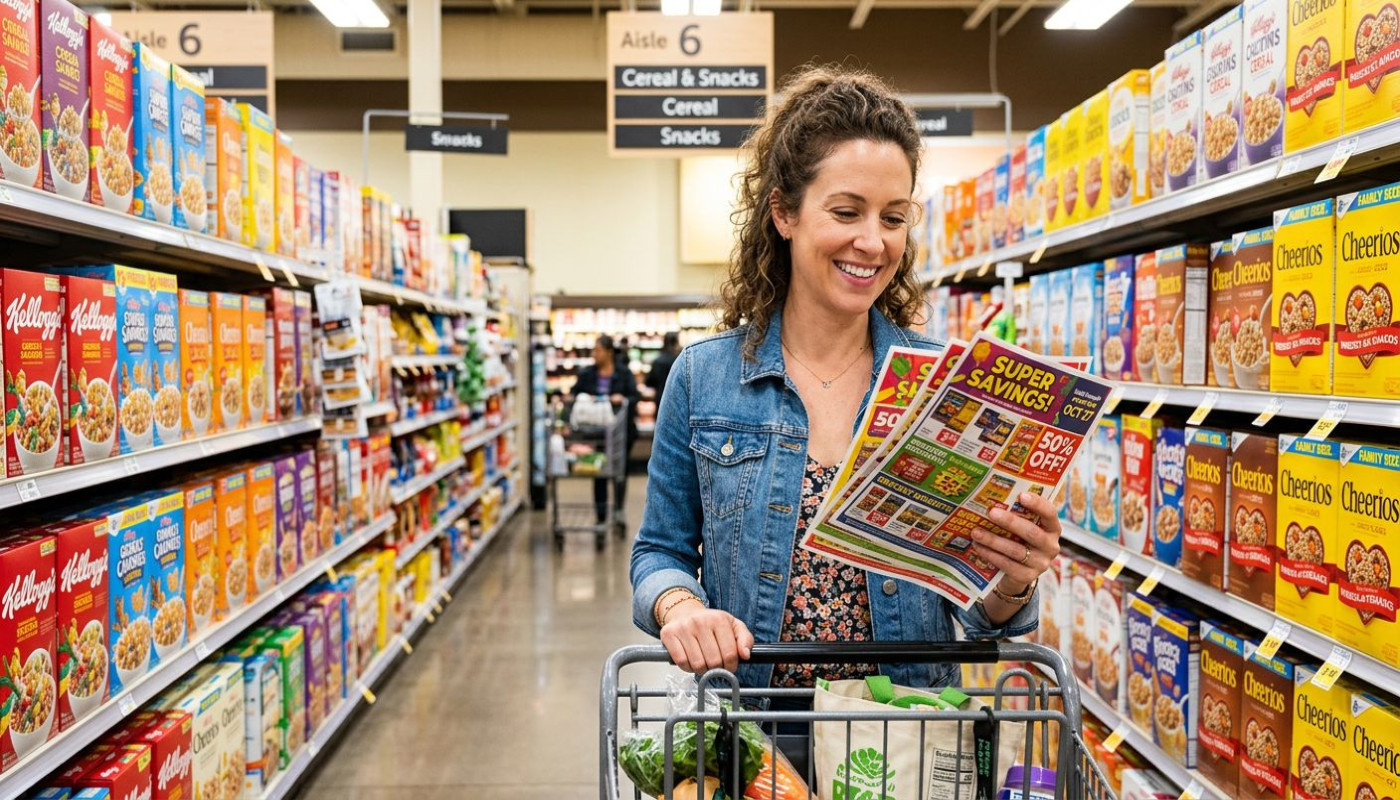
In today's fast-paced world, shoppers are constantly seeking ways to maximize value without overspending. Weekly flyers have become an essential tool for many households, subtly shaping purchasing decisions and saving strategies. Explore how these promotional materials not only inform but also influence shopping habits and the potential for savings—making the rest of this article a must-read for savvy consumers.
Understanding weekly flyers
Weekly flyers serve as a foundational tool in shaping shopping habits, bridging traditional and modern retail environments. Traditionally, these flyers are distributed as printed pamphlets delivered to households or available in stores, but digital flyers now complement these through websites, email subscriptions, and mobile apps. Their widespread availability ensures that retail promotions reach a broad audience and provide timely information about discounts, new products, and exclusive deals. In today’s omnichannel marketing landscape, weekly flyers remain relevant because they integrate seamlessly with both in-store experiences and online browsing. Retailers utilize them as a key communication channel to influence consumer behavior, driving traffic and increasing basket size whether shoppers browse at home or on the go. As consumer expectations evolve, weekly flyers adapt by offering interactive features and personalized offers in their digital formats, strengthening their position as a vital link between retailers and their customers.
Influence on shopping routines
Weekly flyers hold significant sway over shopping routines by providing structured information on sale items, subtly guiding consumers in their grocery planning. Through careful curation of limited-time offers and attention-grabbing visual cues, these flyers activate psychological triggers that boost purchase intention. Behavioral economists note that the anticipation of savings from temporary discounts often prompts shoppers to adjust store visits and develop lists based on advertised products. These marketing techniques not only foster consumer influence, but also encourage habitual checking of weekly flyers, shaping the rhythm and content of each shopping trip. As a result, the interplay between visual strategies and time-sensitive deals becomes a driving force behind changes in purchasing behaviors and preferences, aligning individual routines with market promotions.
Maximizing savings through flyers
To maximize savings, shoppers should adopt a strategic approach to weekly flyers, capitalizing on various techniques that experienced savings experts recommend. One highly effective method is price matching, where consumers present a competitor's flyer to secure the same lower price at their preferred retailer, taking full advantage of retail competition. Additionally, stacking deals — combining manufacturer coupons with store promotions featured in flyers — can unlock the best deals available and stretch budgets further. Timing purchases is also key: waiting for cyclical sales or seasonal promotions advertised in flyers ensures that shoppers acquire products at their lowest possible price points. Comparing flyers from multiple retailers each week allows for a comprehensive flyer comparison, helping to identify which stores are offering loss leaders — deeply discounted products intended to draw customers into the store. Focusing on these loss leaders and planning shopping trips around them is a proven way to maximize savings and accumulate substantial value on everyday purchases.
Digital evolution of flyers
The retail landscape has undergone a digital disruption with the movement from traditional print flyers to digital flyers, fundamentally transforming how consumers approach eco-friendly shopping and interact with retailers. Digital flyers offer real-time updates on promotions, correcting the delay once associated with paper-based advertisements. They are widely accessible through mobile apps and email subscriptions, making it easier for shoppers to receive personalized offers tailored to their preferences and shopping history. This heightened personalization promotes both savings and convenience, as users can quickly filter deals, compare prices, and stay informed about time-sensitive online promotions from their favorite stores.
Switching to digital flyers not only minimizes paper waste, contributing to a greener environment, but also enables retailers to adjust deals instantly based on inventory and demand. Retailers such as No Frills have embraced this trend, providing convenient access to deals through their No Frills Flyer, where shoppers can browse weekly specials from any device. This integration of digital flyers into mobile platforms continues to shape modern consumer behavior, making deal discovery more intuitive and reinforcing sustainable shopping habits.
Impact on long-term shopping habits
Weekly flyers exert a notable flyer impact on long-term shopping patterns through a psychological process known as habit formation. When consumers are regularly exposed to promotions and discounts, they often develop routines that prioritize seeking out deals before making purchases. Over time, this repeated flyer usage shapes budgeting discipline, as individuals become more attuned to comparing prices and planning their shopping trips strategically. While these habits can foster brand loyalty, particularly toward stores that consistently offer attractive deals, they can also lead to selective loyalty based on promotions rather than genuine brand preference. Examining the long-term effects, researchers find that flyers may contribute to sustainable savings for disciplined shoppers who stick to planned purchases. Conversely, the constant stream of deals can tempt less disciplined consumers to make unplanned purchases, which may offset potential savings and encourage higher overall spending. The interplay between habit formation, budgeting discipline, and brand loyalty defines how weekly flyers shape consumer behavior over extended periods.
Similar articles

Silicon Valley To Bali: How To Make Money Online ? From Anywhere In The World

Maximizing Online Revenue: Innovative Strategies For Digital Entrepreneurs

Szoboszlai's Economic Impact on Liverpool Football Club

Understanding the Economic Impact of Sonar Technology

Tips on creating the best website for content creators and agencies
